Promo code APP3 – £3 discount on your first order in app
 Free delivery for orders over £49


Walmark
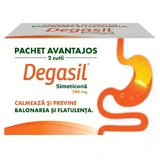
Degasil

View all products











Description Degasil
The information in the FAQ section was created by the Liki24.co.uk team and is based on the official manufacturer's manual
Degasil is a medicine indicated for bloating, abdominal tension and flatulence. It improves abdominal and intestinal comfort and reduces gas accumulation, bloating and flatulence.
What is Degasil indicated for?
How is Degasil administered?
What does Degasil contain?
Administration of Degasil during pregnancy
Contraindications and adverse reactions to Degasil
Features
| Category | Vitamins & Supplements, Healthy digestion, Bloating and Colic, Products from Across Europe, Products from Romania |
| Brand | Walmark |
| Product type | Capsules |
Reviews

Degasil, 32 capsules, Walmark
I highly recommend
Read more
Grecu
31.10.2025

Degasil pack, 2x32 capsules, Walmark
It really works—thanks
Read more
Oksana
25.07.2026
Degasil pack, 2x32 capsules, Walmark
I'll buy some more—they really help. Thanks.
Read more
Oksana
17.07.2026
Degasil pack, 2x32 capsules, Walmark
Excellent. A helpful product.
Read more
Grecu
08.03.2026
Degasil pack, 2x32 capsules, Walmark
It works pretty quickly for bloating
Read more
Cătălin
06.06.2025

Degasil pack, 2x32 capsules, Walmark
Oksana
25.07.2026
It really works—thanks
Degasil pack, 2x32 capsules, Walmark
Oksana
17.07.2026
I'll buy some more—they really help. Thanks.
Degasil pack, 2x32 capsules, Walmark
Grecu
08.03.2026
Excellent. A helpful product.

Degasil, 32 capsules, Walmark
Grecu
31.10.2025
I highly recommend
Degasil pack, 2x32 capsules, Walmark
Cătălin
06.06.2025
It works pretty quickly for bloating