Promo code APP3 – £3 discount on your first order in app
  Free delivery for orders over £49

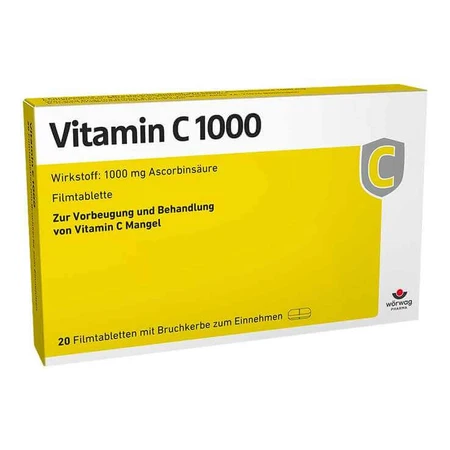

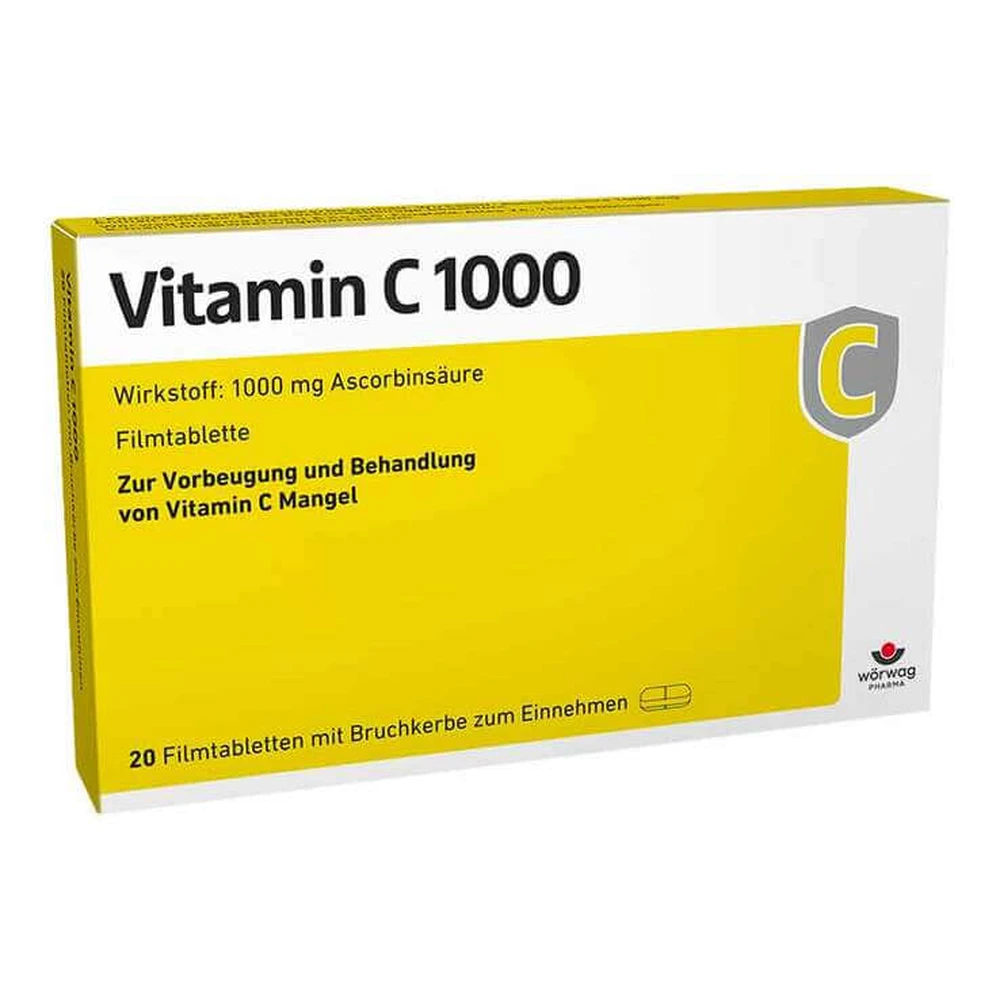



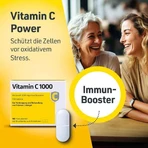

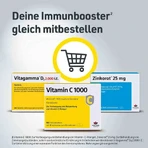
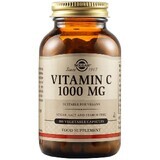
Vitamin C 1000 mg Tablets, 100 Film-Coated Tablets
Description
Vitamin C 1000 mg film-coated tablets
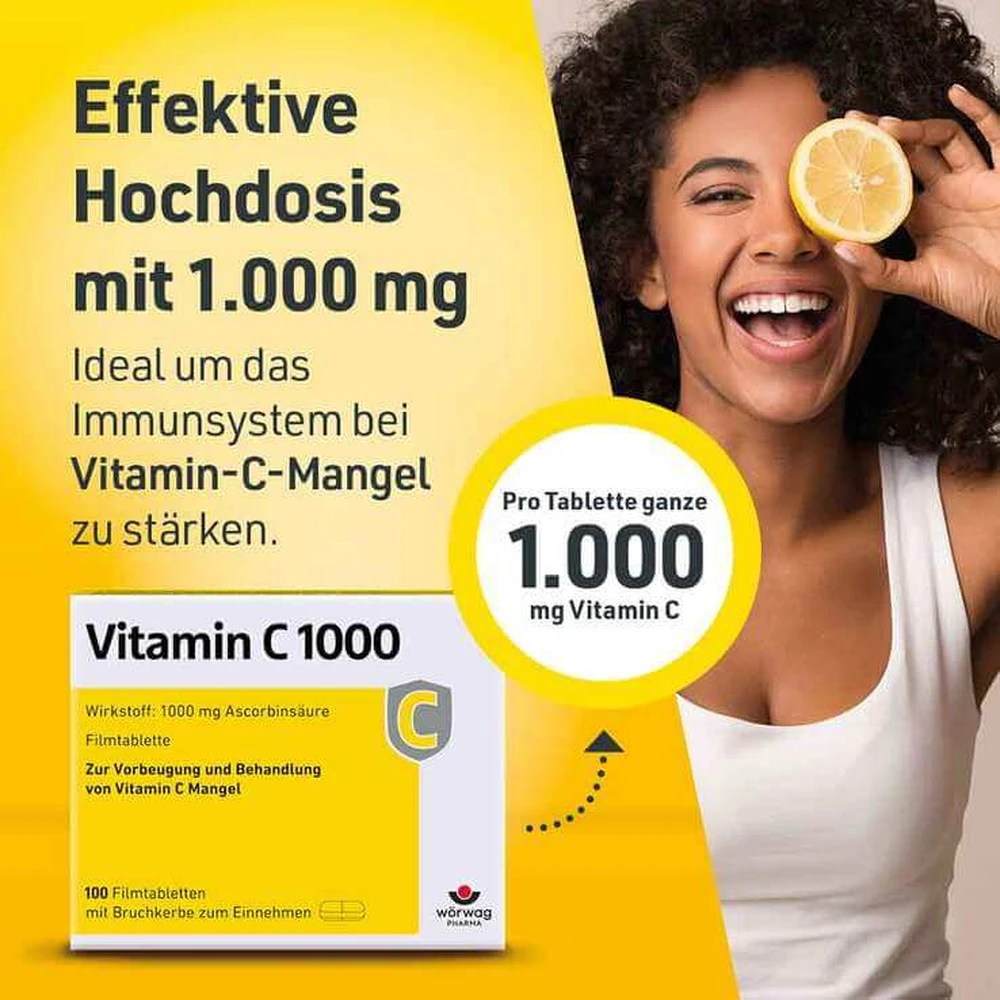
High-dose vitamin C: For prophylaxis and in case of deficiency symptoms
Around 30 percent of all adult women and men in Germany do not reach the daily intake of vitamin C recommended by the German Nutrition Society (DGE).<sup> 1 </sup> This vitamin deficiency can manifest as weakened immune systems and connective tissue disorders. Resulting symptoms include general fatigue and reduced performance, increased susceptibility to infections, and slowed recovery after illness. Advanced vitamin C deficiency can lead to serious health consequences such as scurvy, with joint pain, bleeding, and delayed wound healing. <sup>2</sup>
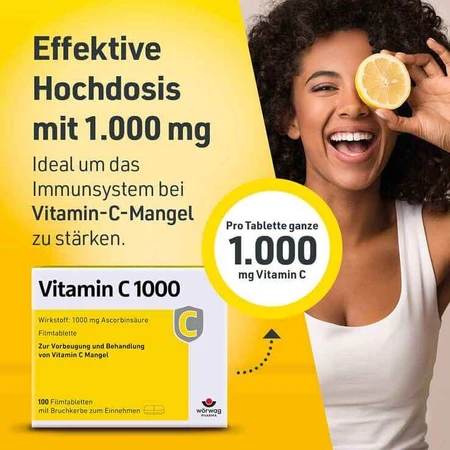
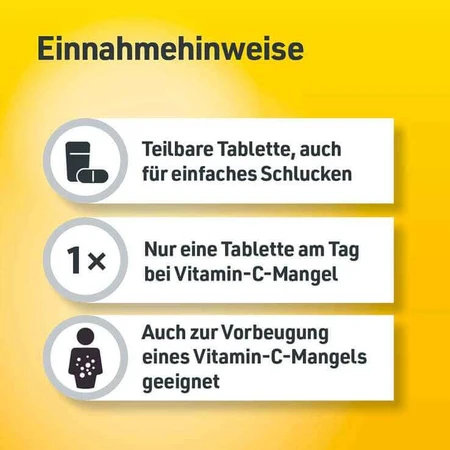
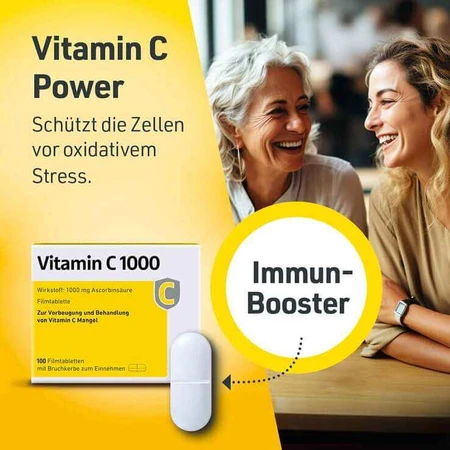
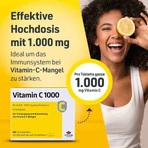
If the daily requirement for vitamin C cannot be met through diet, doctors recommend taking vitamin C supplements to prevent a deficiency. With an effective high dose of 1000 mg of vitamin C, Wörwag Pharma's Vitamin C 1000 film-coated tablets have proven effective for both the prevention and treatment of vitamin C deficiency disorders. The yellow, oblong tablets are scored in the middle and can be easily divided. This allows the tablet to be easily adjusted to individual vitamin C needs and makes it easy to swallow. Furthermore, the medication is manufactured in Germany.
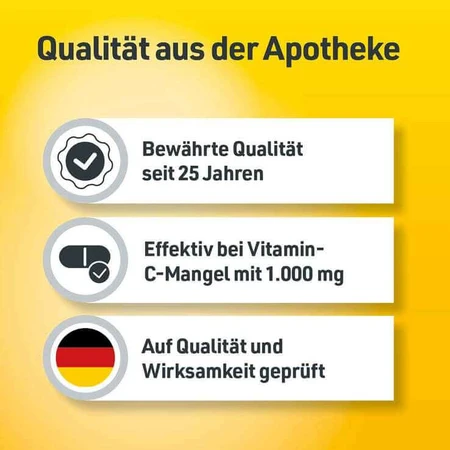
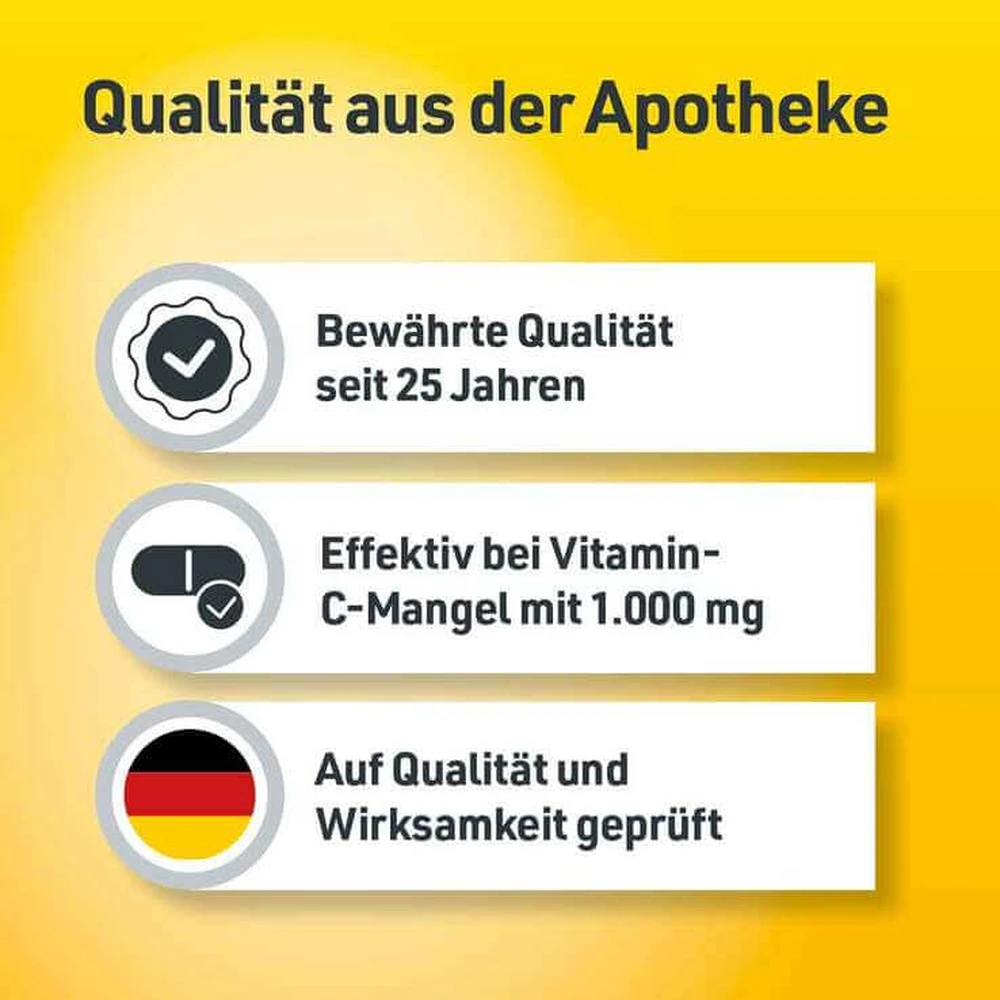
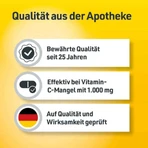
Proven German pharmaceutical quality for 20 years.
- Made in Germany
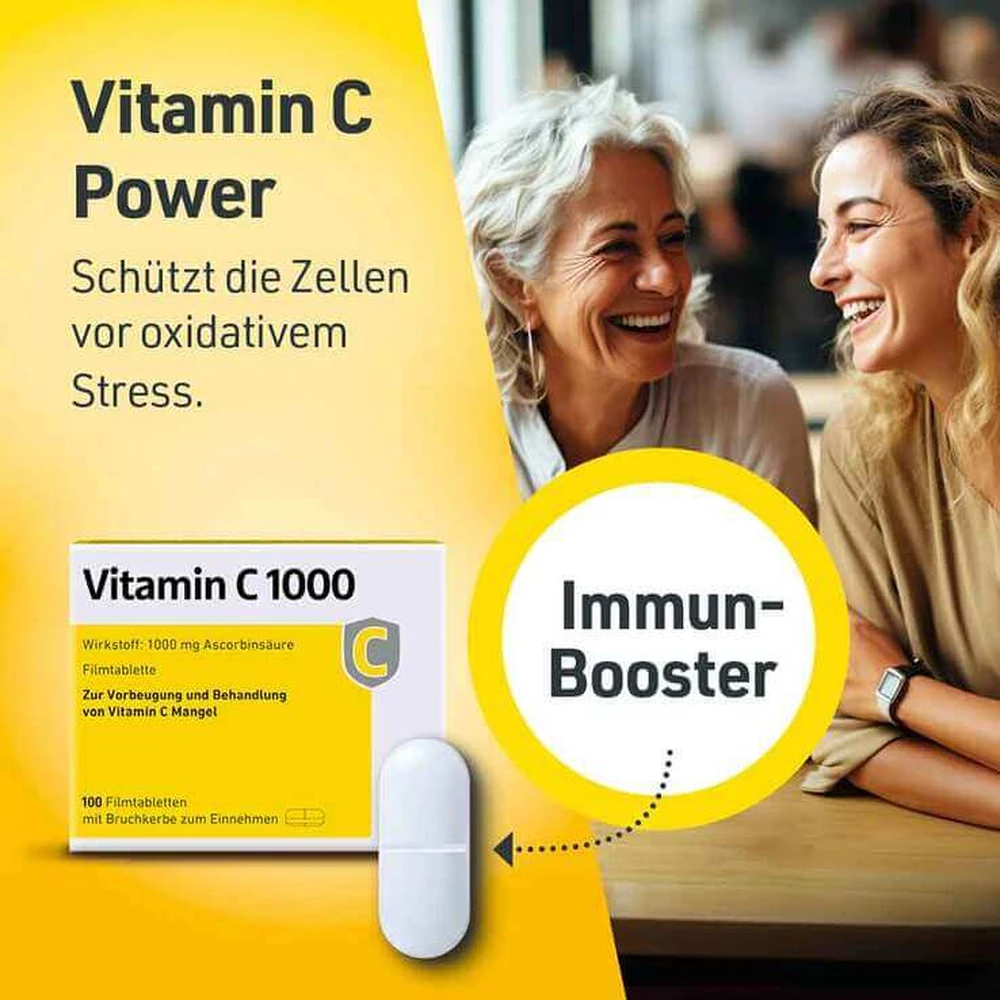
- To strengthen the immune system
- Effective high dose with 1000 mg vitamin C
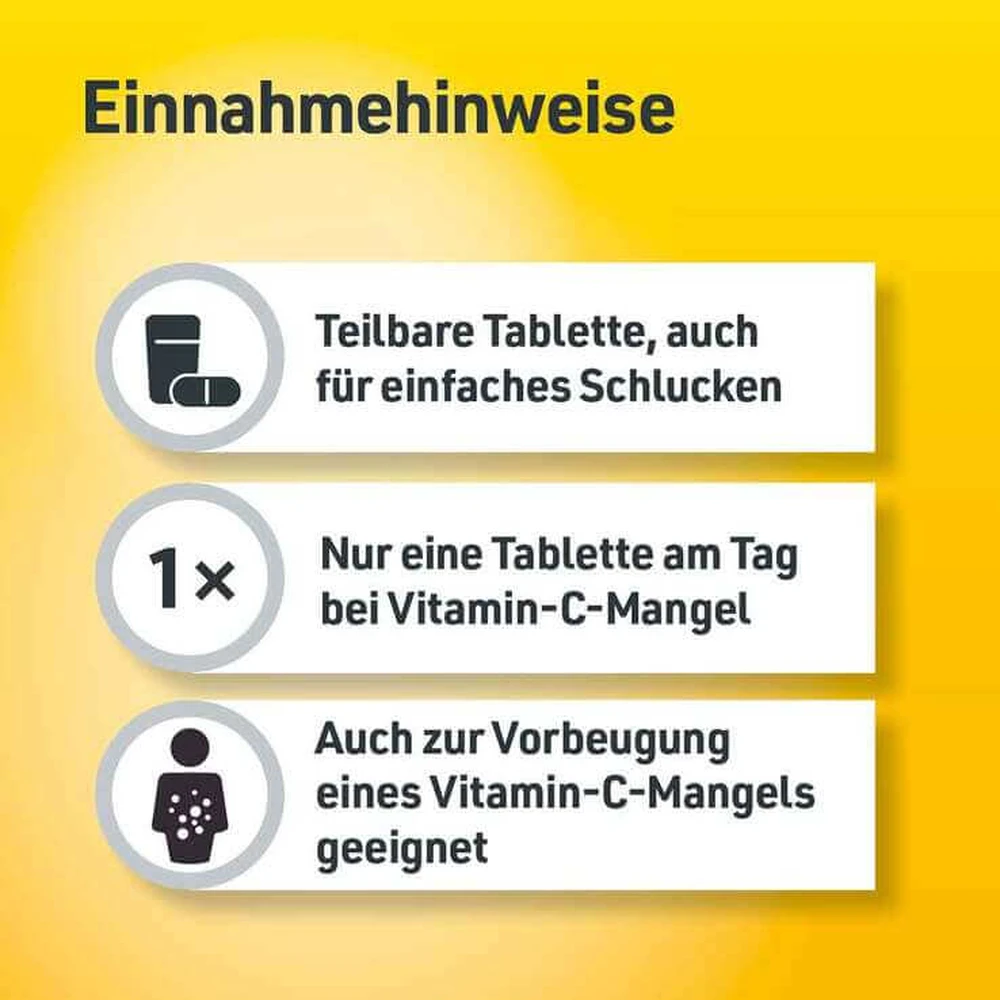
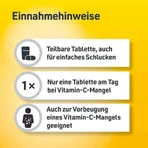
- Only take once a day
- Divisible film-coated tablet, easy to swallow and individually dosable.
- Gentle on the stomach and gluten-free
- For the prevention of vitamin C deficiency and the treatment of deficiency diseases
Vitamin C: Essential for the function of the immune system
Vitamin C, also known as ascorbic acid, is a water-soluble vitamin with strong antioxidant properties. Antioxidant properties refer to the protective and health-promoting effects of antioxidants, which are found in fruits and vegetables. As an antioxidant, vitamin C prevents the oxidation of various substances and protects against free radicals, thus contributing to its health benefits. It is essential for skin regeneration and immune system function, and therefore of central importance for health, performance, and well-being.
Vitamin loss through food preparation and storage
Vitamin C is obtained through the consumption of vitamin-rich foods such as fruits and vegetables. However, an average of 30 percent of the vitamin is lost during processing, and cooking and keeping food warm can even lead to a complete loss of its vitamin content. Furthermore, due to the enzyme ascorbate oxidase, which is present in many plants, vitamin C can also be lost during the storage of fruits and vegetables.
Strengthening the body's own defenses
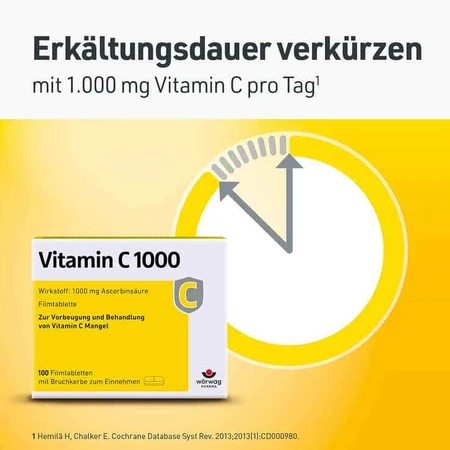
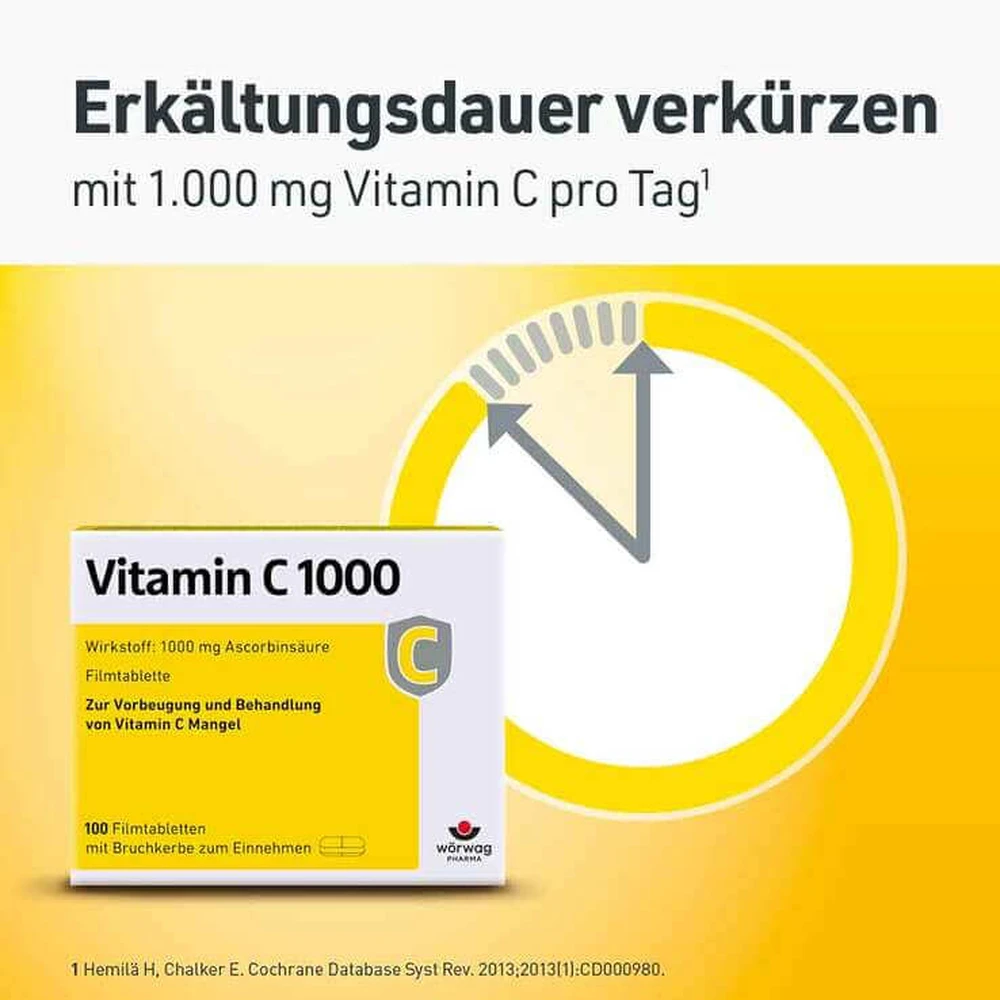
Vitamin C fulfills numerous important functions in the body and is involved, among other things, in strengthening the immune system. A vitamin C deficiency, or an increased need due to physical exertion, can manifest itself in increased susceptibility to infections and recurring infections. A meta-analysis of 29 different studies concluded that vitamin C supplementation reduces the duration of colds¹ and decreases the frequency of colds in physically demanding individuals, such as athletes³ , or in people with marginal vitamin C levels⁴ .
Increased vitamin C requirement in smokers
Smokers have a higher need for vitamin C. Due to the increased production of free radicals in the body, more antioxidants are consumed, leading to a significant reduction in vitamin C levels. The German Nutrition Society (DGE) recommends a daily intake of 135 mg of vitamin C for female smokers and 155 mg for men, which is approximately 13% higher. If this increased need cannot be met through diet alone, supplementation with a high-dose vitamin C supplement, such as Wörwag Pharma's Vitamin C 1000 film-coated tablets, is recommended.
For senior citizens
While calorie requirements decrease with age, the need for essential vitamins and minerals remains the same. Due to loss of appetite, medication use, and a limited diet, older adults may experience a vitamin C deficiency. Targeted vitamin C supplementation can compensate for this deficiency and counteract any potential health problems.
Frequently Asked Questions and Answers
How much vitamin C does the body need?
According to the German Nutrition Society (DGE), the recommended daily intake of vitamin C is 95 mg for adult women and 110 mg for men. Increased intake is recommended for pregnant women from the fourth month onward (105 mg) and breastfeeding mothers (125 mg). Furthermore, smokers have an increased requirement of 135 mg and 155 mg of ascorbic acid daily, respectively.
How can I protect myself from a vitamin C deficiency?
A balanced, vitamin-rich diet with plenty of fresh fruit and vegetables can help strengthen your immune system and effectively prevent vitamin C deficiency. Please note that some or all of the vitamin C in food can be lost during storage and preparation.
If it is not possible to obtain sufficient vitamin C through diet, taking a medication with a high dose of vitamin C can protect against potential deficiency symptoms.
Which foods are high in vitamin C?
Rosehips and acerola cherries have the highest vitamin C content, with 1250 and 1300 mg of ascorbic acid per 100 g respectively. Vegetables and fruits rich in vitamin C also include bell peppers – with yellow bell peppers having the highest vitamin C content at 294 mg/100 g – broccoli and kale, as well as blackcurrants, kiwi and citrus fruits such as grapefruit, oranges and lemons.
What precautions should be taken when storing Vitamin C 1000 film-coated tablets?
Vitamin C 1000 film-coated tablets should not be stored above 25°C. Please always keep this medicine out of the reach of children.
Are Vitamin C 1000 film-coated tablets a medicinal product?
Yes, Vitamin C 1000 film-coated tablets are a medicinal product that is approved according to the strict regulations of pharmaceutical law. Clinical studies must demonstrate the efficacy and safety of the drug, and the dosages of all ingredients are precisely tested and determined as part of the approval process.
1) MRI National Nutrition Survey II, 2008 C Oral, A11G1 Vitamin C pure.
2) Maxfield L, Crane JS. Vitamin C Deficiency. 2020 Jul 2. In: StatPearls [Internet]. Treasure Island (FL): StatPearls Publishing
3) Hemilä H, Chalker E. Vitamin C for preventing and treating the common cold. Cochrane Database Syst Rev. 2013 Jan 31;(1):CD000980.
4) Johnston CS et al. 2014. Vitamin C supplementation slightly improves physical activity levels and reduces cold incidence in men with marginal vitamin C status: a randomized controlled trial. Nutrients. 2014 Jul 9;6(7):2572-83.
Mandatory information:
Vitamin C 1000 film-coated tablets. Active ingredient: Ascorbic acid. Indications: Prevention of vitamin C deficiency when adequate dietary intake is not ensured. Treatment of vitamin C deficiency diseases. For risks and side effects, read the package leaflet and ask your doctor or pharmacist. WÖRWAG Pharma GmbH & Co.KG, 71034 Böblingen
Features
| Product code | 896846 |
| Category | Vitamin C, Vitamins and Minerals |
| Quantity | 100 |
| Dose | 1000 mg |
| Delivery from | Germany |
Vitamin C 1000 mg Tablets, 100 Film-Coated Tablets
Vitamin C 1000 mg Tablets, 100 Film-Coated Tablets


 Guaranteed delivery from Germany: 6 - 9 October
-
£29.80Delivery: £5.99 (free from £49)
 Delivery from Germany:
6 - 9 October
Delivery from Germany:
6 - 9 October
-
 Pay securely with your preferred payment method







Recently viewed products


Similar products
More products
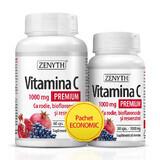 Premium Vitamin C with pomegranate, bioflavonoids and resveratrol 1000 mg, 60 + 30 capsules, Zenyth
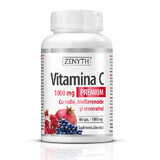 Vitamin C Premium 1000 mg with pomegranate, bioflavonoids and resveratrol, 60 capsules, Zenyth
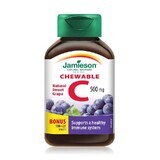
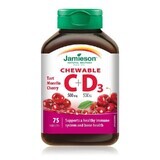 Vitamin C 500 mg + Vitamin D3 500 IU with cherry flavour, 75 chewable tablets, Jamieson


Reviews

Vitamin C 1000 mg Tablets, 100 Film-Coated Tablets
 Earn £1 Reward for every review
- For each submitted and approved review you can earn £1 Reward on your Rewards Credit.
- Rewards are given once for each purchased product you have reviewed.
- You have to be authorised to receive Rewards
All reviews

There are no reviews for this product.












 Description