Gutscheincode APP3 - £3 Rabatt auf Ihre erste Bestellung in der App
  Kostenlose Lieferung für Bestellungen über £49


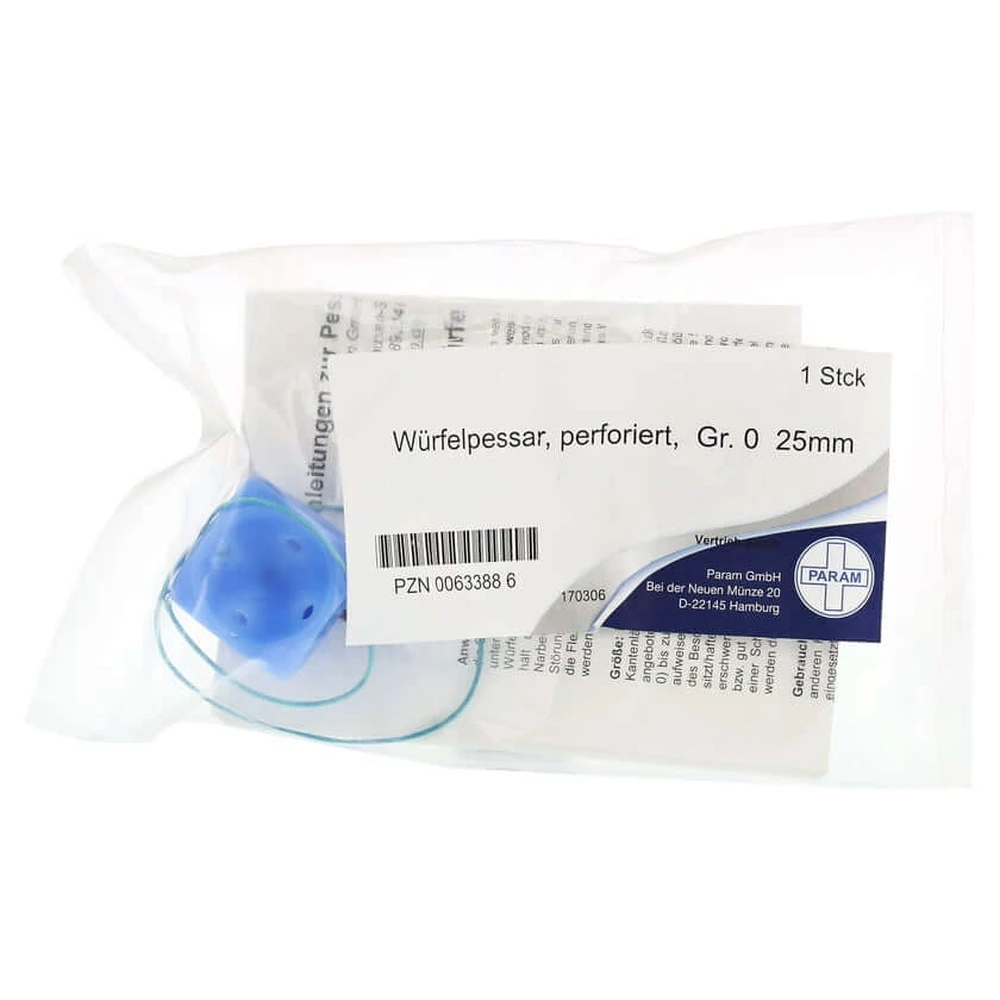
Das Bild dient nur zu Präsentationszwecken
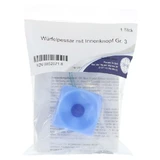
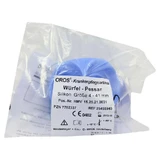
Arabin Würfel Pessar perforiert 25 mm Gr 1 St
Arabin Würfel Pessar perforiert 25 mm Gr 1 St
Beschreibung
Produkteigenschaften:
Arabin Würfel Pessare perforiert und unperforiert (alle mit Knopf)
Bestandteile und Lagerung:
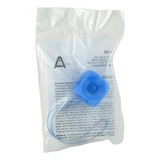
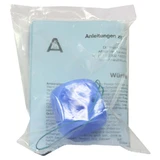
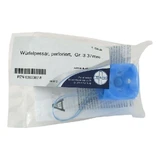
Das Würfel-Pessar besteht aus gewebefreundlichem Silikon mit einem Knopf und festgeschweißten Faden zur Erleichterung des Wechselns. Das Pessar kann bei Raumtemperatur bei 1 bis 30 °C geschützt vor UV-Strahlung ohne direkten Kontakt zu reaktiven Medien wie Gas, Ozon oder Mineralöl gelagert werden.
Indikation:
Das Würfel Pessar hält durch seinen Vakuum-Effekt besser als andere Pessare. Die unperforierte Form hält besser als die perforierte Form, die jedoch leichter zu wechseln ist. Mit dem Würfel Pessar können verschiedene Grade der Scheidensenkung behandelt werden. Wenn die Senkung so stark ist, dass die Scheide dadurch nach außen gestülpt wird, spricht man von einem Vorfall. Durch ein in die Scheide eingeführtes Würfel Pessar können die gesenkten Organe wieder in ihre ursprüngliche Lage zurückgebracht werden. Das Würfel Pessar hält durch seinen Saugnapfeffekt besser als andere Produkte. Behandlungsindikationen sind auch Störungen der Blasenentleerung, Beschwerden beim Geschlechtsverkehr und vor Operationen (mit Östrogencreme).
Schulung:
Wenn ein behandelnder Arzt wenig Erfahrung in der Pessar-Therapie hat, empfehlen wir eine Schulung (online/hands-on), den Besuch unserer Website www.dr-arabin.de. oder die Überweisung an erfahrene Kollegen.
Größen:
Die Größe des Würfel Pessars richtet sich nach der Kantenlänge des Würfels. Es werden 10 verschiedene Größen angeboten, die eine minimale Kantenlänge von 25mm (Größe 0) bis zu einer maximalen Kantenlänge von 75mm (Größe 9) aufweisen. Die richtige Größenauswahl durch einen behandelnden Arzt ist Voraussetzung für den sicheren Halt und beschwerdefreien Gebrauch. Der Würfel sollte so groß sein, dass er beim Pressen, Husten und bei Bewegungen gut sitzt/haftet. Ein zu groß gewählter Würfel kann auf die Blase oder den Darm drücken und die Entfernung erschweren. Die Behandlung sollte immer mit einem Würfel beginnen, der sowohl beim Husten als auch beim Pressen haftet bzw. gut sitzt. Nach einigen Tagen oder Wochen kann es notwendig sein, die Pessar-Größe (meist auf ein kleineres Modell) zu wechseln. Im Fall einer verengten Scheide werden die größeren Modelle angewendet.
Gebrauch:
Der behandelnde Arzt passt bei der Erstuntersuchung das Pessar an. Würfel Pessare werden nach anfänglicher Anleitung durch einen Arzt oder durch Anleitung einer anderen Fachperson von der Trägerin selbst täglich abends entfernt und morgens wiedereingesetzt. Dadurch können sich die Scheidenwände über Nacht erholen. In einigen Fällen kann es jedoch sinnvoll sein, das Pessar zur Vorbereitung des Gewebes vor einer Operation auch nachts anzuwenden. Dies sollte jedoch nur auf Anordnung des behandelnden Arztes erfolgen. Bei einem großen Vorfall kann man bei pflegebedürftigen Patientinnen auch nachts ein kleineres Pessar einsetzen, jedoch immer in Absprache mit dem jeweils behandelnden Arzt. Es ist vorteilhaft, beim Einführen des Würfels eine Salbe über 2 - 3 Würfelkanten aufzutragen. Hierdurch wird nicht nur ein Gleiteffekt, sondern auch bei Verwendung von Östrogen eine bessere Gewebedurchblutung oder ein Aufbau einer normalen Scheidenflora erzielt. Die Wahl der Creme oder Salbe sollte mit dem behandelnden Gynäkologen besprochen werden. Zum Einführen des Würfels stellt man ähnlich wie beim Einführen eines Tampons den Fuß auf einen Stuhl oder die Bettkante, es kann auch ausreichend sein, das Pessar mit gespreizten Beinen ggf. an einer Wand lehnend oder liegend einzuführen. Dabei schiebt man den Würfel soweit wie möglich in die Scheide. Erst dann sitzt das Pessar korrekt und führt zu keinerlei Druckbeschwerden. Zum Entfernen zieht man nach Lösen des Vakuums (Hin-und Her Bewegung) den Würfel am Faden - am besten in verschiedene Richtungen, ggf. auch mit leichtem Pressen - so weit herunter, bis ein Widerstand durch die Beckenbodenmuskulatur spürbar wird. Mit dem Zeige- und/oder Mittelfinger müssen die erreichbaren Kanten des Pessars so bewegt werden, dass sich das vorhandene Vakuum löst. Danach ist das Pessar unter gleichbleibenden leichten Faden Zug zu entfernen. Wenn die Patientin kein Wasser lassen kann, aber auch wenn eine Inkontinenz durch das Pessar verstärkt wird, sollte das Pessar entfernt und ein kleineres (anderes) Modell gewählt werden. Die Patientin sollte angewiesen werden, alle Beschwerden -auch beim Wasserlassen/Stuhlgang- während der Pessar Therapie sofort zu melden.
Nachuntersuchung:
Nach dem ersten Einsetzen des Pessars sollte die Patientin nach ca. einer Woche (spätestens nach vier Wochen) nachuntersucht werden. Bei jeder Nachuntersuchung sollte das Pessar entfernt und mit lauwarmem Wasser gereinigt werden, während die Scheide auf Erosionen, Drucknekrosen oder allergische Reaktionen untersucht wird. Nicht selten wird die Größe des Pessars nach der ersten Anpassung geändert. Die Patientin sollte dann erneut nach ein bis zwei Wochen eine Untersuchung durchführen lassen. Wenn am Pessar Risse oder andere Defekte festgestellt werden, muss das Pessar ersetzt werden. Die Patientin sollte für die Dauer der Behandlung vorzugsweise von demselben Arzt betreut werden. Bei einer motivierten Patientin, die eine effektive Handhabung des Pessars nachweist, können Nachuntersuchungen nach Ermessen weiter auseinanderliegen.
Anwendung/Säubern:
Das Würfel- Pessar wird als therapeutisches Produkt bezeichnet und darf nur von einer einzigen Patientin verwendet werden. Die Reinigung erfolgt unter fließendem Wasser ohne Verwendung von Desinfektionsmitteln. Schleim oder Materialreste können ggf. vorsichtig mit einer weichen Zahnbürste entfernt werden, ohne den Knopf zu lockern oder herauszureißen.
Nebenwirkungen/ Komplikationen:
Obwohl Pessare eine sichere Behandlungsform darstellen, sind sie ein ###Fremdkörper###. Daher ist die häufigste Nebenwirkung vermehrter Ausfluss und ggf. Geruch. Diese Nebenwirkung kann durch die Verwendung zusätzlicher Maßnahmen (Cremes, Hygiene) vermindert werden. Beim Stuhlgang kann das Pessar tiefer treten (Bild oben rechts). Die Patientin sollte angewiesen werden, dann das Pessar zu ertasten und es wieder in der Scheide zu fixieren. Postmenopausale Frauen sind anfälliger für vaginale Schleimhautverletzungen. Durch Förderung der Epithelreifung kann eine Behandlung mit Östrogencreme die Scheidenschleimhaut widerstandsfähiger gegen Erosionen machen. Bei längerer Liegedauer und/oder Östrogenmangel kann es zu Druckbeschwerden der Scheidenschleimhaut kommen. Dies ist am schlimmsten, wenn ein Pessar vergessen wird. Bei Unverträglichkeit kann ein anderes Modell, z.B. ein Schalen- oder Keulen-Pessar gewählt werden. Dies entscheidet dann der Arzt. Falls der Faden ausreißen sollte, ist das Pessar so bald wie möglich zu entfernen. Bei Frauen, die eine verdeckte Form der Blasenschwäche haben (###larvierte Inkontinenz###) kann das Würfelpessar eine Harninkontinenz verstärken. In diesen Fällen soll mit dem behandelnden Arzt besprochen werden, ob auf ein anderes Modell (Urethra- oder Urethra-Schalen Pessar) gewechselt oder eine andere Behandlung durchgeführt werden muss. Bei pflegebedürftigen oder ängstlichen Patientinnen kann eine Pflegekraft oder ein Familienmitglied in die Handhabung des Wechselns eingebunden werden, bei Blutungen oder ernsten Infektionen muss immer ein Arzt konsultiert werden.
Liegedauer:
Die Therapie ist ###kurzfristig### (< 30 Tage). Unsere Empfehlung ist jedoch, das Pessar jeden Abend zu wechseln! Es darf nur von derselben Patientin wiederverwendet werden.
Kontraindikationen:
Bei Patientinnen, die pflegebedürftig oder nicht in der Lage sind, auf regelmäßiges Wechseln zu achten, kann eine Pflegekraft oder ein Familienmitglied in die Handhabung des Wechselns integriert werden. Bei Schmerzen, Blutungen oder ausgeprägtem Fluor sollte aber der behandelnde Arzt zu Rate gezogen werden. Eine Allergie gegen Silikon ist extrem selten, wäre aber auch eine Kontraindikation. Aktive Infektionen, darunter auch entzündliche Erkrankungen der Scheide oder des Beckens, schließen eine die Verwendung eines Pessars aus, bis die Infektion abgeklungen ist. Patientinnen, die Ratschläge nicht verstehen, ignorieren oder nicht nachbeobachtet werden können, sollten kein Pessar erhalten.
Warnung:
Bei Schmerzen, Blutungen oder extremen Fluor mit Geruchsbildung muss der behandelnde Arzt so schnell wie möglich zu Rate gezogen werden. Obwohl Cremes und Gels die Behandlung mit Pessaren verbessern, wurde die Verträglichkeit von diesen Produkten auf das Material des Pessars nicht getestet. Schwere Komplikationen, die auf das Pessar zurückzuführen sind, sollten dem Hersteller und ggf. den verantwortlichen Behörden gemeldet werden.
Haltbarkeit:
Dem Pessar wurde eine Haltbarkeit in der Originalverpackung von 10 Jahren ab dem Produktionsdatum zugeordnet. Nach dem Einsetzen des Pessars empfehlen wir den Gebrauch für drei Jahre. Falls bei der Inspektion des Pessars Risse, Verformungen oder Verfärbungen auftreten, muss das Pessar zu jedem Zeitpunkt ersetzt werden.
Entsorgung:
Gebrauchte und beschädigte Silikonprodukte können in keimarmem Zustand zu Hause im Hausmüll eingepackt entsorgt werden. In medizinischen Einrichtungen müssen die länderspezifischen Vorschriften eingehalten werden.
Diese Gebrauchsinformation wurde zuletzt überarbeitet im Juli 2020.
Quelle: www.dr-arabin.de
Stand: 01/2022
Arabin Würfel Pessare perforiert und unperforiert (alle mit Knopf)
Bestandteile und Lagerung:
Das Würfel-Pessar besteht aus gewebefreundlichem Silikon mit einem Knopf und festgeschweißten Faden zur Erleichterung des Wechselns. Das Pessar kann bei Raumtemperatur bei 1 bis 30 °C geschützt vor UV-Strahlung ohne direkten Kontakt zu reaktiven Medien wie Gas, Ozon oder Mineralöl gelagert werden.
Indikation:
Das Würfel Pessar hält durch seinen Vakuum-Effekt besser als andere Pessare. Die unperforierte Form hält besser als die perforierte Form, die jedoch leichter zu wechseln ist. Mit dem Würfel Pessar können verschiedene Grade der Scheidensenkung behandelt werden. Wenn die Senkung so stark ist, dass die Scheide dadurch nach außen gestülpt wird, spricht man von einem Vorfall. Durch ein in die Scheide eingeführtes Würfel Pessar können die gesenkten Organe wieder in ihre ursprüngliche Lage zurückgebracht werden. Das Würfel Pessar hält durch seinen Saugnapfeffekt besser als andere Produkte. Behandlungsindikationen sind auch Störungen der Blasenentleerung, Beschwerden beim Geschlechtsverkehr und vor Operationen (mit Östrogencreme).
Schulung:
Wenn ein behandelnder Arzt wenig Erfahrung in der Pessar-Therapie hat, empfehlen wir eine Schulung (online/hands-on), den Besuch unserer Website www.dr-arabin.de. oder die Überweisung an erfahrene Kollegen.
Größen:
Die Größe des Würfel Pessars richtet sich nach der Kantenlänge des Würfels. Es werden 10 verschiedene Größen angeboten, die eine minimale Kantenlänge von 25mm (Größe 0) bis zu einer maximalen Kantenlänge von 75mm (Größe 9) aufweisen. Die richtige Größenauswahl durch einen behandelnden Arzt ist Voraussetzung für den sicheren Halt und beschwerdefreien Gebrauch. Der Würfel sollte so groß sein, dass er beim Pressen, Husten und bei Bewegungen gut sitzt/haftet. Ein zu groß gewählter Würfel kann auf die Blase oder den Darm drücken und die Entfernung erschweren. Die Behandlung sollte immer mit einem Würfel beginnen, der sowohl beim Husten als auch beim Pressen haftet bzw. gut sitzt. Nach einigen Tagen oder Wochen kann es notwendig sein, die Pessar-Größe (meist auf ein kleineres Modell) zu wechseln. Im Fall einer verengten Scheide werden die größeren Modelle angewendet.
Gebrauch:
Der behandelnde Arzt passt bei der Erstuntersuchung das Pessar an. Würfel Pessare werden nach anfänglicher Anleitung durch einen Arzt oder durch Anleitung einer anderen Fachperson von der Trägerin selbst täglich abends entfernt und morgens wiedereingesetzt. Dadurch können sich die Scheidenwände über Nacht erholen. In einigen Fällen kann es jedoch sinnvoll sein, das Pessar zur Vorbereitung des Gewebes vor einer Operation auch nachts anzuwenden. Dies sollte jedoch nur auf Anordnung des behandelnden Arztes erfolgen. Bei einem großen Vorfall kann man bei pflegebedürftigen Patientinnen auch nachts ein kleineres Pessar einsetzen, jedoch immer in Absprache mit dem jeweils behandelnden Arzt. Es ist vorteilhaft, beim Einführen des Würfels eine Salbe über 2 - 3 Würfelkanten aufzutragen. Hierdurch wird nicht nur ein Gleiteffekt, sondern auch bei Verwendung von Östrogen eine bessere Gewebedurchblutung oder ein Aufbau einer normalen Scheidenflora erzielt. Die Wahl der Creme oder Salbe sollte mit dem behandelnden Gynäkologen besprochen werden. Zum Einführen des Würfels stellt man ähnlich wie beim Einführen eines Tampons den Fuß auf einen Stuhl oder die Bettkante, es kann auch ausreichend sein, das Pessar mit gespreizten Beinen ggf. an einer Wand lehnend oder liegend einzuführen. Dabei schiebt man den Würfel soweit wie möglich in die Scheide. Erst dann sitzt das Pessar korrekt und führt zu keinerlei Druckbeschwerden. Zum Entfernen zieht man nach Lösen des Vakuums (Hin-und Her Bewegung) den Würfel am Faden - am besten in verschiedene Richtungen, ggf. auch mit leichtem Pressen - so weit herunter, bis ein Widerstand durch die Beckenbodenmuskulatur spürbar wird. Mit dem Zeige- und/oder Mittelfinger müssen die erreichbaren Kanten des Pessars so bewegt werden, dass sich das vorhandene Vakuum löst. Danach ist das Pessar unter gleichbleibenden leichten Faden Zug zu entfernen. Wenn die Patientin kein Wasser lassen kann, aber auch wenn eine Inkontinenz durch das Pessar verstärkt wird, sollte das Pessar entfernt und ein kleineres (anderes) Modell gewählt werden. Die Patientin sollte angewiesen werden, alle Beschwerden -auch beim Wasserlassen/Stuhlgang- während der Pessar Therapie sofort zu melden.
Nachuntersuchung:
Nach dem ersten Einsetzen des Pessars sollte die Patientin nach ca. einer Woche (spätestens nach vier Wochen) nachuntersucht werden. Bei jeder Nachuntersuchung sollte das Pessar entfernt und mit lauwarmem Wasser gereinigt werden, während die Scheide auf Erosionen, Drucknekrosen oder allergische Reaktionen untersucht wird. Nicht selten wird die Größe des Pessars nach der ersten Anpassung geändert. Die Patientin sollte dann erneut nach ein bis zwei Wochen eine Untersuchung durchführen lassen. Wenn am Pessar Risse oder andere Defekte festgestellt werden, muss das Pessar ersetzt werden. Die Patientin sollte für die Dauer der Behandlung vorzugsweise von demselben Arzt betreut werden. Bei einer motivierten Patientin, die eine effektive Handhabung des Pessars nachweist, können Nachuntersuchungen nach Ermessen weiter auseinanderliegen.
Anwendung/Säubern:
Das Würfel- Pessar wird als therapeutisches Produkt bezeichnet und darf nur von einer einzigen Patientin verwendet werden. Die Reinigung erfolgt unter fließendem Wasser ohne Verwendung von Desinfektionsmitteln. Schleim oder Materialreste können ggf. vorsichtig mit einer weichen Zahnbürste entfernt werden, ohne den Knopf zu lockern oder herauszureißen.
Nebenwirkungen/ Komplikationen:
Obwohl Pessare eine sichere Behandlungsform darstellen, sind sie ein ###Fremdkörper###. Daher ist die häufigste Nebenwirkung vermehrter Ausfluss und ggf. Geruch. Diese Nebenwirkung kann durch die Verwendung zusätzlicher Maßnahmen (Cremes, Hygiene) vermindert werden. Beim Stuhlgang kann das Pessar tiefer treten (Bild oben rechts). Die Patientin sollte angewiesen werden, dann das Pessar zu ertasten und es wieder in der Scheide zu fixieren. Postmenopausale Frauen sind anfälliger für vaginale Schleimhautverletzungen. Durch Förderung der Epithelreifung kann eine Behandlung mit Östrogencreme die Scheidenschleimhaut widerstandsfähiger gegen Erosionen machen. Bei längerer Liegedauer und/oder Östrogenmangel kann es zu Druckbeschwerden der Scheidenschleimhaut kommen. Dies ist am schlimmsten, wenn ein Pessar vergessen wird. Bei Unverträglichkeit kann ein anderes Modell, z.B. ein Schalen- oder Keulen-Pessar gewählt werden. Dies entscheidet dann der Arzt. Falls der Faden ausreißen sollte, ist das Pessar so bald wie möglich zu entfernen. Bei Frauen, die eine verdeckte Form der Blasenschwäche haben (###larvierte Inkontinenz###) kann das Würfelpessar eine Harninkontinenz verstärken. In diesen Fällen soll mit dem behandelnden Arzt besprochen werden, ob auf ein anderes Modell (Urethra- oder Urethra-Schalen Pessar) gewechselt oder eine andere Behandlung durchgeführt werden muss. Bei pflegebedürftigen oder ängstlichen Patientinnen kann eine Pflegekraft oder ein Familienmitglied in die Handhabung des Wechselns eingebunden werden, bei Blutungen oder ernsten Infektionen muss immer ein Arzt konsultiert werden.
Liegedauer:
Die Therapie ist ###kurzfristig### (< 30 Tage). Unsere Empfehlung ist jedoch, das Pessar jeden Abend zu wechseln! Es darf nur von derselben Patientin wiederverwendet werden.
Kontraindikationen:
Bei Patientinnen, die pflegebedürftig oder nicht in der Lage sind, auf regelmäßiges Wechseln zu achten, kann eine Pflegekraft oder ein Familienmitglied in die Handhabung des Wechselns integriert werden. Bei Schmerzen, Blutungen oder ausgeprägtem Fluor sollte aber der behandelnde Arzt zu Rate gezogen werden. Eine Allergie gegen Silikon ist extrem selten, wäre aber auch eine Kontraindikation. Aktive Infektionen, darunter auch entzündliche Erkrankungen der Scheide oder des Beckens, schließen eine die Verwendung eines Pessars aus, bis die Infektion abgeklungen ist. Patientinnen, die Ratschläge nicht verstehen, ignorieren oder nicht nachbeobachtet werden können, sollten kein Pessar erhalten.
Warnung:
Bei Schmerzen, Blutungen oder extremen Fluor mit Geruchsbildung muss der behandelnde Arzt so schnell wie möglich zu Rate gezogen werden. Obwohl Cremes und Gels die Behandlung mit Pessaren verbessern, wurde die Verträglichkeit von diesen Produkten auf das Material des Pessars nicht getestet. Schwere Komplikationen, die auf das Pessar zurückzuführen sind, sollten dem Hersteller und ggf. den verantwortlichen Behörden gemeldet werden.
Haltbarkeit:
Dem Pessar wurde eine Haltbarkeit in der Originalverpackung von 10 Jahren ab dem Produktionsdatum zugeordnet. Nach dem Einsetzen des Pessars empfehlen wir den Gebrauch für drei Jahre. Falls bei der Inspektion des Pessars Risse, Verformungen oder Verfärbungen auftreten, muss das Pessar zu jedem Zeitpunkt ersetzt werden.
Entsorgung:
Gebrauchte und beschädigte Silikonprodukte können in keimarmem Zustand zu Hause im Hausmüll eingepackt entsorgt werden. In medizinischen Einrichtungen müssen die länderspezifischen Vorschriften eingehalten werden.
Diese Gebrauchsinformation wurde zuletzt überarbeitet im Juli 2020.
Quelle: www.dr-arabin.de
Stand: 01/2022
Eigenschaften
| Produkt-Code | 817594 |
| Kategorie | Sterilisation und Pessare, Verhütungsmittel und Gleitmittel |
| Menge | 1 |
| Lieferung von | Deutschland |
Arabin Würfel Pessar perforiert 25 mm Gr 1 St
Arabin Würfel Pessar perforiert 25 mm Gr 1 St
Lieferung von Deutschland
Deutschland 
 30 Sept - 5 Okt
30 Sept - 5 Okt

 Garantierte Lieferung aus Deutschland: 30 September - 5 Oktober
-
£51.70
Versand: (£5.99)Kostenloser Versand inklusive
Lieferung von Deutschland:
30 September - 5 Oktober
-
 Bezahlen Sie sicher mit Ihrer bevorzugten Zahlungsmethode













£3 Rabatt auf die erste Bestellung ab £39 mit dem Promo-Code APP3


Produktbewertungen

Arabin Würfel Pessar perforiert 25 mm Gr 1 St
 Verdienen Sie £1 Bonus für jede Bewertung
- Für jede abgegebene und bestätigte Bewertung können Sie £1 Bonus auf Ihr Bonus-Konto erhalten.
- Boni werden für jedes gekaufte Produkt, das Sie bewertet haben, einmal vergeben.
- Sie sollten sich autorisieren lassen, um Boni zu erhalten
Alle Bewertungen

Es gibt keine Bewertungen zu diesem Produkt.
Vielen Dank für Ihr Feedback! Es wurde zur Moderation weitergeleitet.







Geheimnisse des zuverlässigen Sonnenschutzes: Wie man die Jugend der Haut erhält

5 Min
1010 angesehen











 Beschreibung