Código promocional APP3 - £3 de descuento en su primer pedido en la app
  Envío gratuito para pedidos superiores a £49

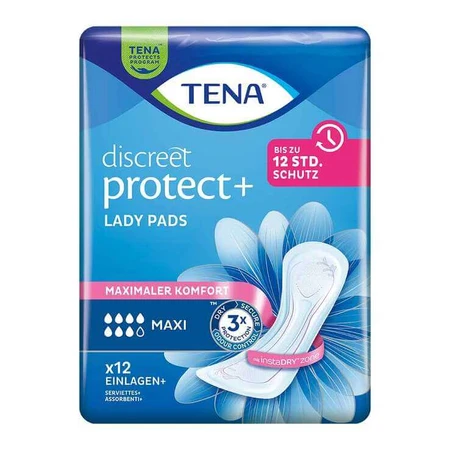
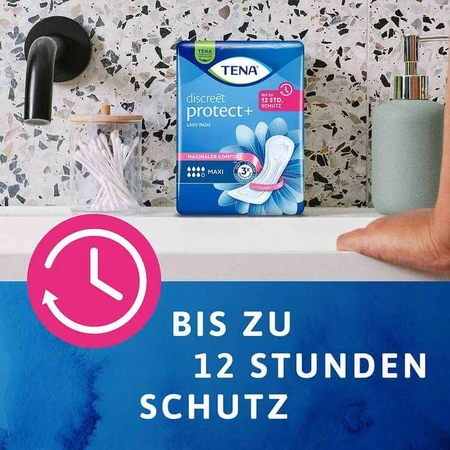
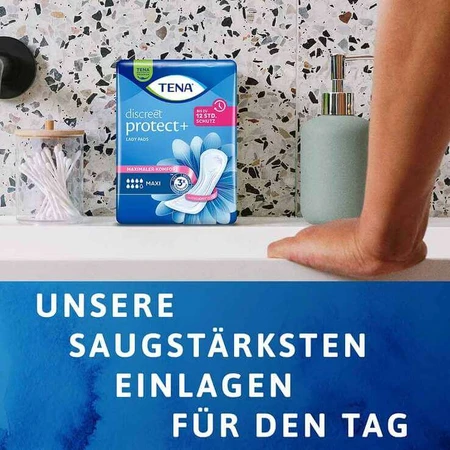
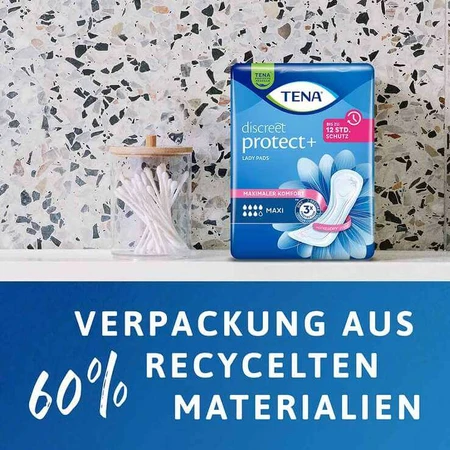

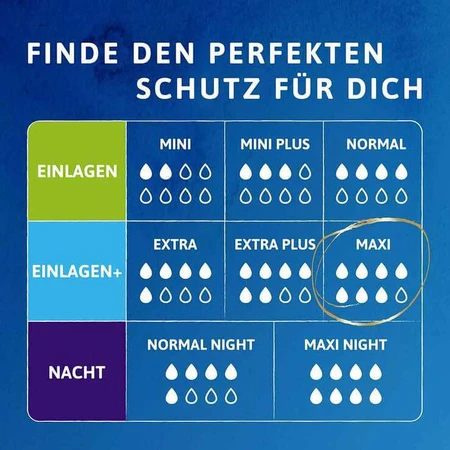
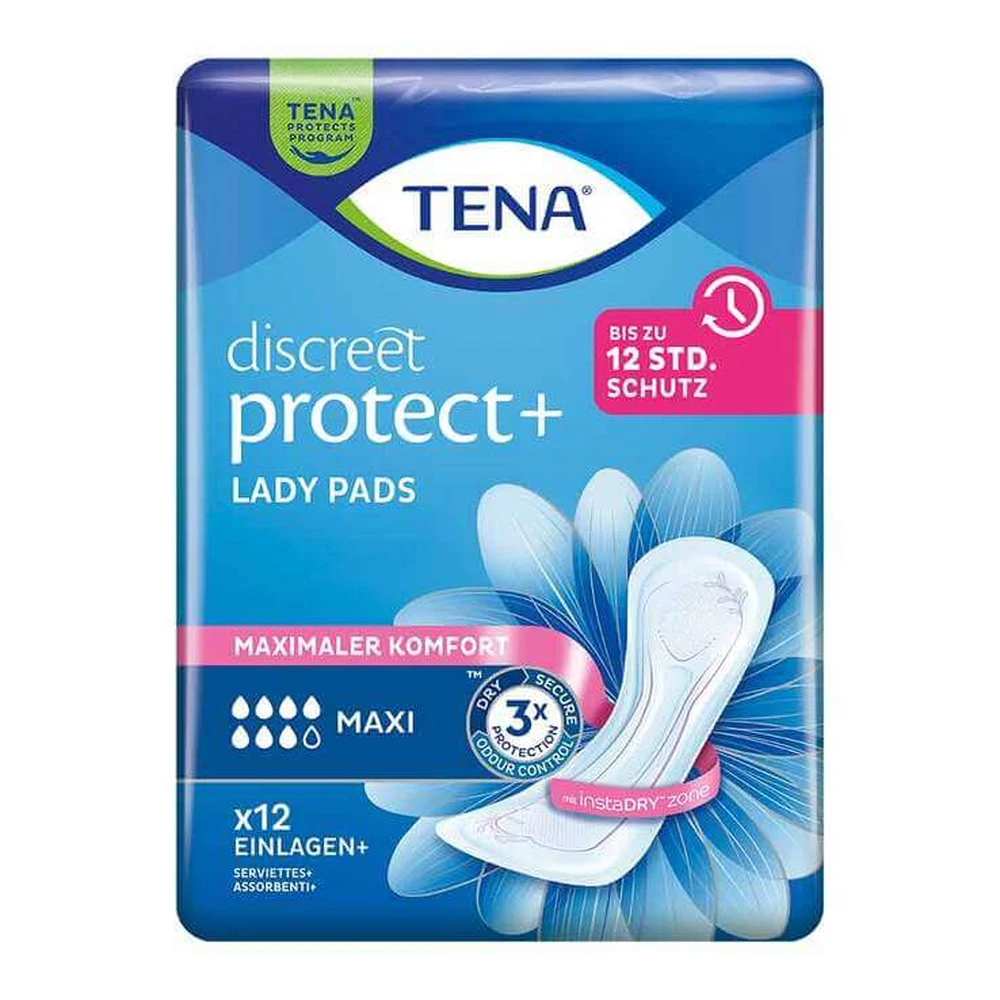


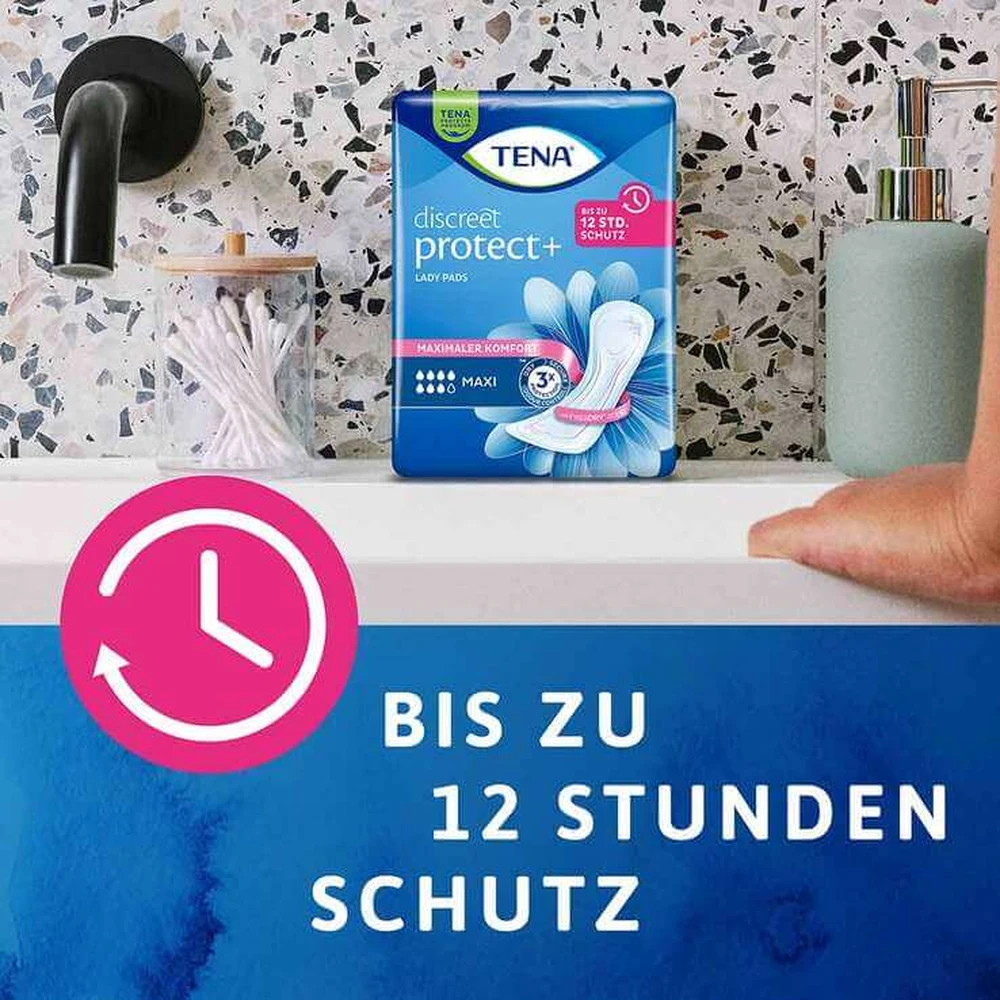
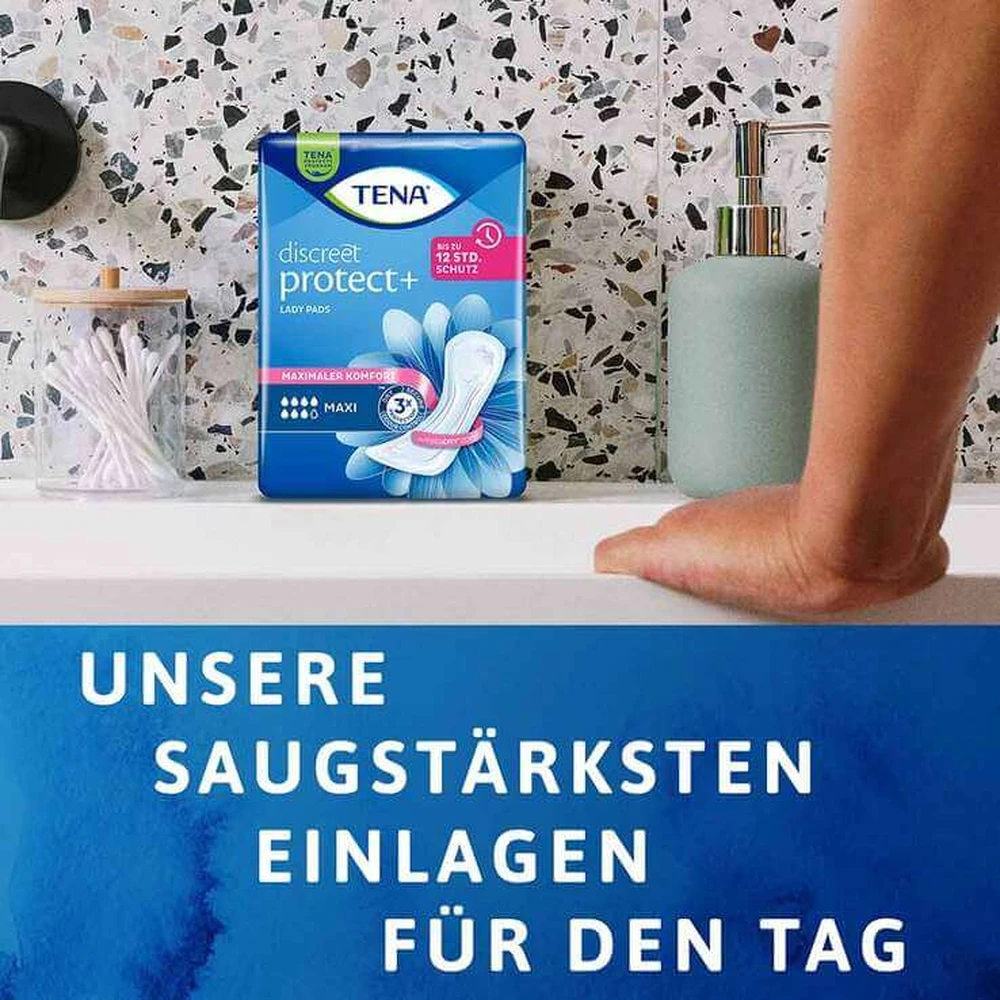
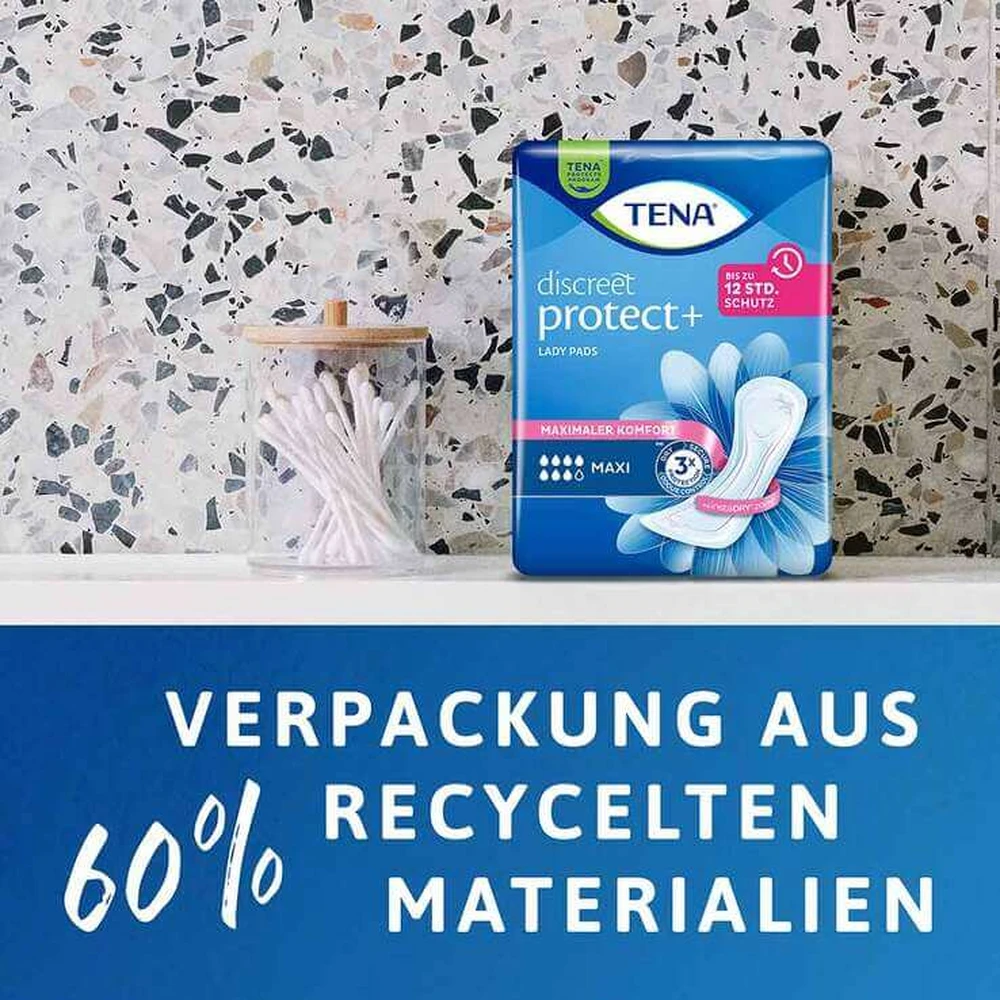
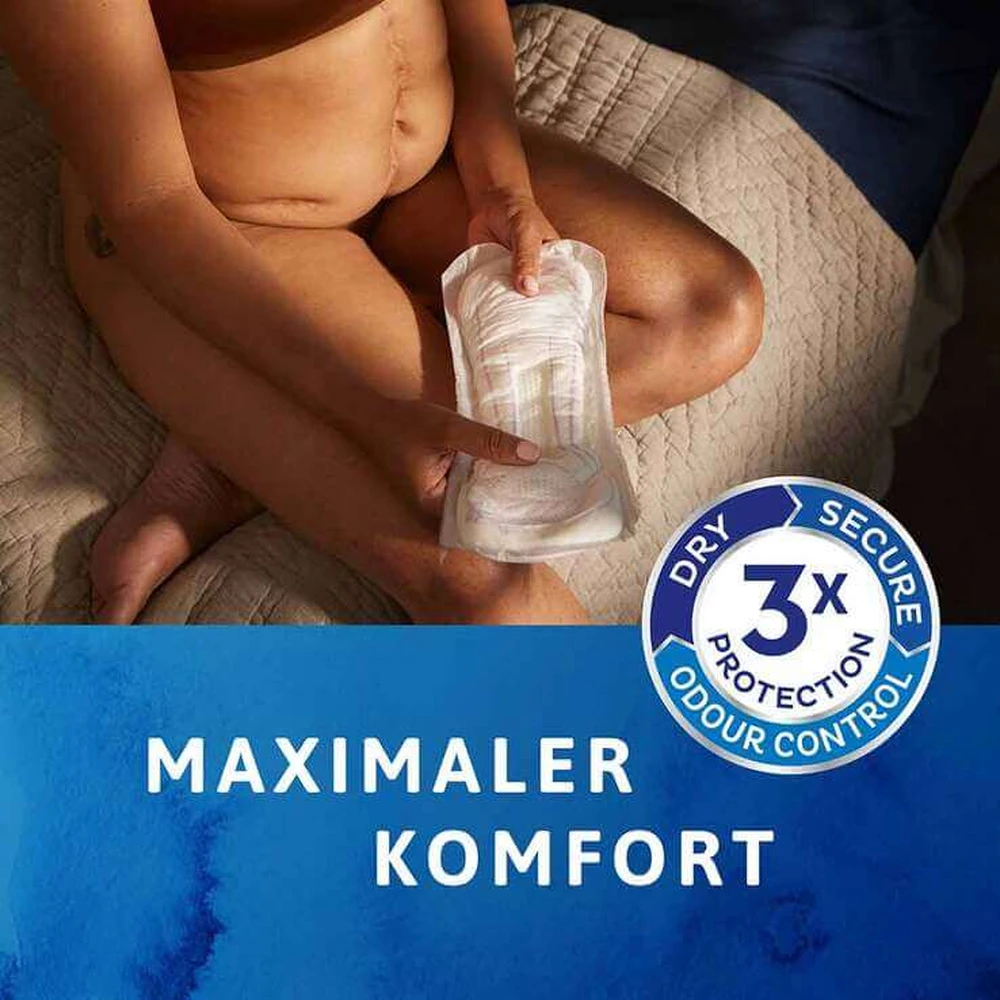

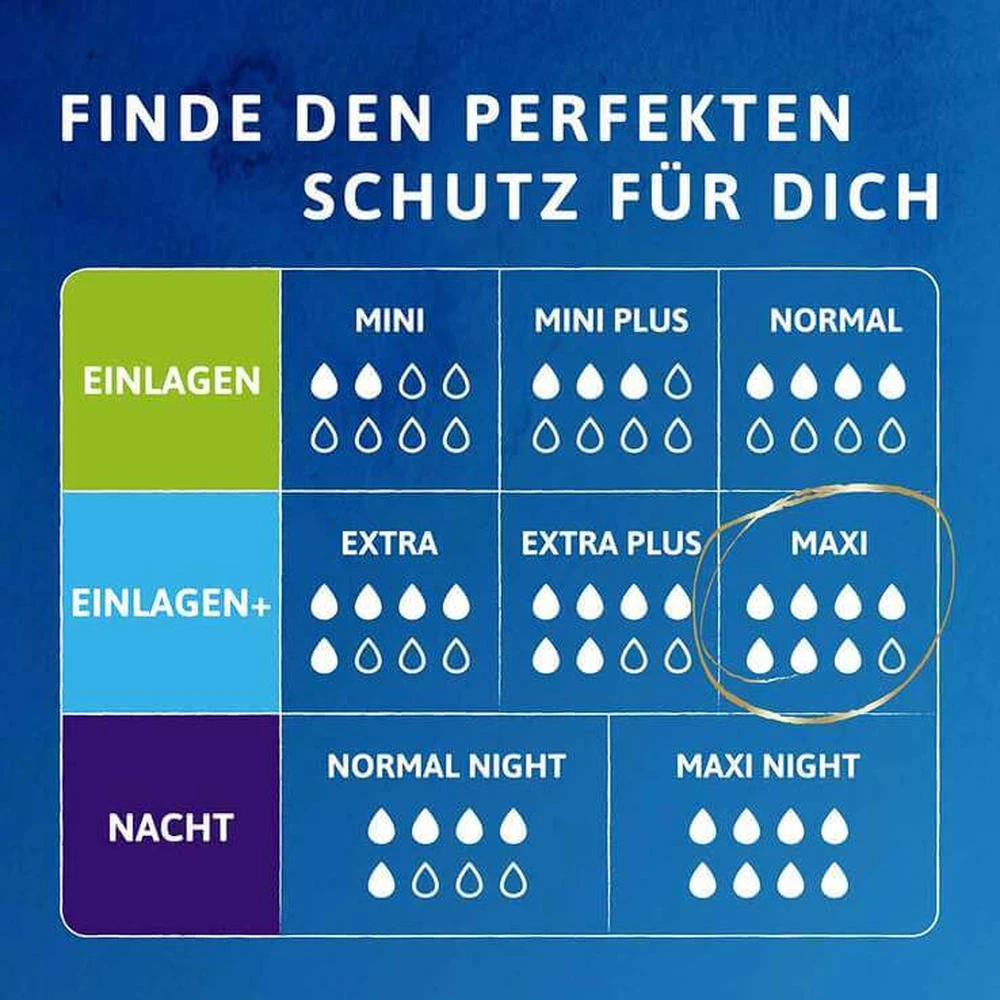
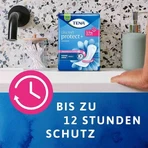

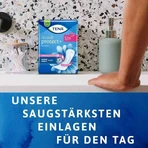



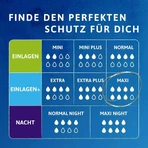
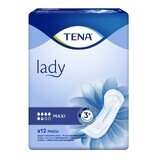
Compresas TENA® Discreet Maxi para la incontinencia, 12 x 12 compresas
Descripción
Compresas maxi discretas TENA®
Discreto y a prueba de fugas en todo momento.
La incontinencia urinaria afecta a muchas más personas de lo que se piensa. En Alemania, una de cada tres mujeres mayores de 50 años padece incontinencia. Sin embargo, la incontinencia no debería ser un impedimento para disfrutar de una vida activa y plena. TENA® ha desarrollado productos de higiene discretos específicamente para mujeres, que ofrecen una triple protección eficaz contra fugas, humedad y olores, proporcionando una sensación de seguridad y frescura en cualquier situación. Gracias a la tecnología InstaDRY™, las compresas Maxi discretas de TENA® son especialmente absorbentes, incluso para quienes sufren incontinencia urinaria severa. Su diseño ajustado al cuerpo, con suaves bandas elásticas laterales que se adaptan a cada movimiento, garantiza discreción y una gran comodidad.
Las ventajas de las compresas TENA® Discreet Maxi:
- Ideal para quienes padecen debilidad severa de la vejiga.
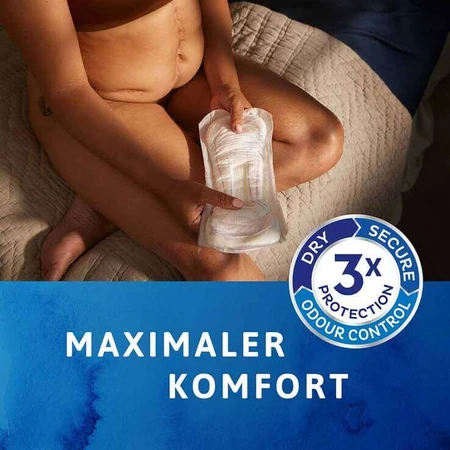
- Triple protección contra fugas, humedad y olores.
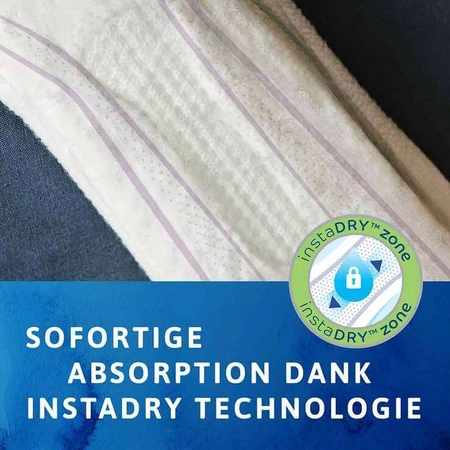
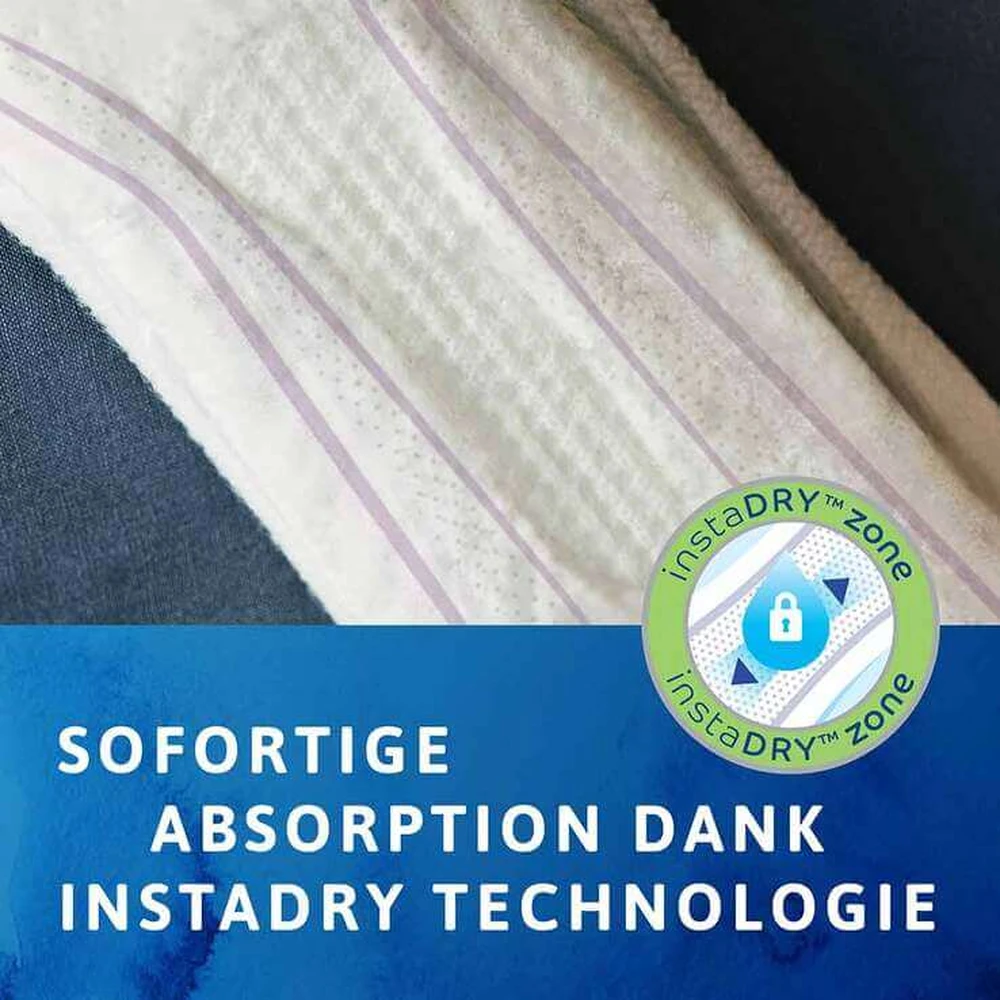
- Discreto y seguro gracias a la tecnología InstaDRY™.
- Control de olores frescos contra la formación de malos olores
- Hecho de material suave y transpirable.
- Envueltos individualmente: ideales para llevar.
- Probado dermatológicamente
Altamente absorbente
¡Que la incontinencia no te detenga! Las compresas TENA® Discreet Maxi están diseñadas específicamente para brindar la máxima protección contra la incontinencia. La tecnología InstaDRY™ garantiza una absorción ultrarrápida: los líquidos se absorben al instante y quedan retenidos de forma segura dentro de la compresa. La sensación de sequedad duradera se ve reforzada por su superficie suave, similar a la tela, que aleja la humedad de la piel, garantizando su protección. Olvídate de los olores desagradables: la tecnología Fresh Odor Control con microperlas de frescura previene eficazmente la formación de mal olor.
Incontinencia menopáusica
Dos tercios de las mujeres sufren de incontinencia urinaria relacionada con las hormonas durante la menopausia. La deficiencia de estrógenos en la sangre aumenta la sensibilidad de las mucosas en la zona íntima y, simultáneamente, provoca un debilitamiento progresivo de los músculos del suelo pélvico y del tejido conectivo, lo que puede causar flacidez en la vejiga. Sin embargo, la incontinencia urinaria no significa que una mujer tenga que renunciar a una vida plena y activa. Las compresas discretas con protección eficaz contra fugas y control de olores garantizan una sensación de frescura y sequedad en cualquier situación: en el trabajo, durante la práctica deportiva y en las celebraciones con amigos y familiares.
Formación para la prevención
Los ejercicios para el suelo pélvico son muy efectivos para prevenir la debilidad de la vejiga durante la menopausia. Una rutina diaria de cinco a diez minutos suele ser suficiente para fortalecer específicamente los músculos del suelo pélvico. Estos sencillos ejercicios también se pueden realizar en casa.
Consejos de expertos para la debilidad de la vejiga
La debilidad de la vejiga durante la menopausia se puede prevenir eficazmente. Un estilo de vida consciente, con una dieta equilibrada y variada, una ingesta suficiente de líquidos y ejercicio regular, mantiene todo el cuerpo sano y tiene un efecto positivo en la vejiga. Además, esto puede ayudar a contrarrestar factores de riesgo específicos para la incontinencia, como la obesidad mórbida.
Preguntas frecuentes
¿Cómo puedes entrenar tu vejiga?
El entrenamiento vesical específico, combinado con un estilo de vida saludable y otras medidas, puede ayudar a prevenir la debilidad de la vejiga. No pospongas ir al baño por mucho tiempo, ya que esto podría sobrecargar los músculos de la vejiga a largo plazo. Por otro lado, las visitas frecuentes al baño "preventivas" pueden provocar una fuerte necesidad de orinar incluso con poca orina en la vejiga. Siempre escucha a tu cuerpo y ve al baño solo cuando sea realmente necesario.
¿Me ayudarán los ejercicios del suelo pélvico si ya sufro de debilidad de la vejiga?
El entrenamiento específico de los músculos débiles del suelo pélvico no solo sirve como prevención, sino que también puede ayudar a aliviar los síntomas en cualquier etapa de la incontinencia urinaria. Además de los ejercicios típicos para el suelo pélvico, deportes como Pilates y yoga también lo fortalecen. Concentrarse en la respiración consciente durante estos ejercicios puede activar los músculos más profundos del cuerpo. Simplemente pruebe diferentes métodos de entrenamiento para ver cuál disfruta más y cuál se adapta mejor a su estilo de vida. Para que se sienta segura durante cualquier actividad, las compresas y braguitas TENA® están disponibles en una amplia gama de tallas y niveles de absorción, brindando discreción y una protección confiable contra fugas, incluso durante la práctica deportiva.
¿Debo evitar el café si tengo la vejiga débil?
El café, al igual que otras bebidas con cafeína y el alcohol, tiene un fuerte efecto diurético. Esto también se aplica a algunas frutas y verduras, como los espárragos, las zanahorias, el repollo, los tomates y las naranjas. Presta atención a qué alimentos y bebidas te provocan más ganas de orinar y tenlo en cuenta al planificar tu dieta. Si te resulta difícil dejar el café por completo, simplemente reducir su consumo y quizás sustituirlo por otros estimulantes puede ser útil. Muchas personas con debilidad de la vejiga y micción frecuente tienden a beber muy poco líquido. Sin embargo, esto perjudica el correcto funcionamiento de la vejiga. Intenta beber un vaso de agua cada hora para asegurarte de que tu cuerpo se mantenga siempre bien hidratado.
Características
| Código del producto | 896017 |
| Categoría | Productos de cuidado para el paciente inmovilizado, Cuidados a personas inmovilizadas |
| Marca | Tena |
| Cantidad | 144 |
| Entrega desde | Alemania |
Compresas TENA® Discreet Maxi para la incontinencia, 12 x 12 compresas
Compresas TENA® Discreet Maxi para la incontinencia, 12 x 12 compresas
Entrega desde Alemania

 2 - 5 Oct

 Entrega garantizada desde Alemania: 2 - 5 Octubre
-
£106.60
Gastos de envío: (£5.99)Envío gratuito incluido
Entrega desde Alemania:
2 - 5 Octubre
-
 Paga de forma segura con tu método de pago preferido











Productos vistos recientemente





Reseñas

Compresas TENA® Discreet Maxi para la incontinencia, 12 x 12 compresas
 Consiga £1 de Recompensa por cada opinión
- Por cada reseña enviada y aprobada, puede conseguir £1 de Recompensa en su Crédito de Recompensas.
- Las recompensas se conceden una vez por cada producto comprado que haya valorado.
- Debe estar autorizado para poder recibir Recompensas.
Todas las reseñas

No hay comentarios para este producto








 Descripción