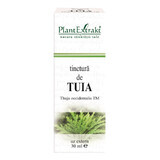
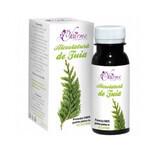
Tuia Tincture, 30 ml, Plant Extrakt
Thuja
Description Thuja
The information in the FAQ section was created by the Liki24.co.uk team and is based on the official manufacturer's manual
Thuja is a tree, and its leaves and leaf oil have been used traditionally as medicine. Thuja is used as a flavouring agent in foods and beverages and as a fragrance in cosmetics and soaps.
People use thuja for various conditions, including respiratory tract infections, cold sores, osteoarthritis, and many others, but there is no good scientific evidence to support these uses.
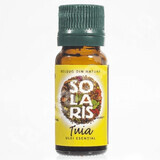
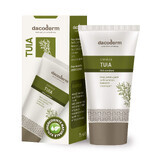
It is found in various forms such as thuja essential oil, thuja seeds, thuja tincture, and thuja cream.
What are the benefits of thuja?
Possible health benefits of thuja include:
- Anti-inflammatory properties: Thuja contains compounds with anti-inflammatory properties, which may help reduce inflammation and pain.
- Antifungal properties: Thuja essential oil may have antifungal properties and can be used to treat certain fungal infections.
- Antiseptic properties: Thuja essential oil may have antiseptic properties and can be used to treat certain bacterial infections.
- Calming effects: Some research suggests that thuja essential oil may have calming effects and may help reduce stress and anxiety.
- Potential anti-cancer properties: Some preliminary studies indicate that thuja extracts may have anti-cancer effects.
How is thuja administered?
Thuja can be administered in different ways, depending on its intended use. Here are some common ways to administer thuja:
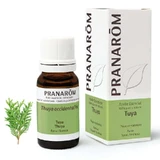
Thuja essential oil
Thuja essential oil can be used by inhalation or by topical application to the skin, diluted in a carrier oil. It is important to dilute the essential oil before use, as it can be irritating to the skin and cause allergic reactions. Thuja essential oil is often used to treat respiratory problems such as coughs and nasal congestion.
Thuja infusion
Thuja can be used to prepare an infusion that can be consumed as tea.
To make a thuja infusion, add one teaspoon of thuja leaves and stems to a cup of boiling water and let it steep for 5-10 minutes. The infusion can be consumed once or twice a day and is often used to treat digestive disorders and urinary tract infections.
Thuja extract
Thuja extract can be purchased in capsule or tablet form and is often used to support urinary tract and immune system health. The recommended dosage of thuja extract may vary depending on the product, so it is important to follow the manufacturer's instructions.
Thuja powder
Thuja can be purchased in powder form and can be consumed by mixing it with water or other liquids. Thuja powder can be used to support urinary tract and immune system health.
Does thuja have any contraindications?
There are a few contraindications and precautions associated with the use of thuja, and these should be considered before using thuja for therapeutic purposes. These include:
- Sensitivity to thuja: Some people may develop a sensitivity or allergic reaction to thuja. If you have a sensitivity to this plant, you should avoid using it.
- Drug interactions: Thuja essential oil may interact with certain medications, such as anticoagulants and medications for high blood pressure. If you are taking any medications, always talk to your doctor before using thuja.
- Not recommended during pregnancy and breastfeeding: Thuja may be dangerous for pregnant and breastfeeding women. As there is not enough information about the safety of using thuja during pregnancy or breastfeeding, it is not recommended to use this plant in these situations.
- Toxicity: Large amounts of thuja can be toxic and cause symptoms such as nausea, vomiting, diarrhoea, convulsions and even death. It is important to follow the recommended doses and avoid excessive use of thuja.
- Not recommended for use in children: There is not enough information about the safety of using thuja in children. In general, it is not recommended to use thuja in children without a doctor's approval.
Does thuja have any side effects?
Using thuja in large amounts or over a long period of time may cause certain side effects or adverse reactions, including:
- Skin irritation: Thuja essential oil can cause skin irritation, especially if used undiluted.
- Allergic reactions: Some people may develop an allergic reaction to thuja, which can cause symptoms such as skin rash, itching and swelling.
- Gastrointestinal disorders: Excessive consumption of thuja can cause gastrointestinal symptoms such as nausea, vomiting, diarrhoea and abdominal cramps.
- Respiratory problems: Thuja essential oil can cause respiratory problems in some people, such as coughing, nasal congestion and difficulty breathing.
Features
| Category | Vitamins & Supplements, Tinctures, Creams and Ointments, Skincare and beauty, Intimate care, Intimate Hygiene, Massage Oils and Creams, Aromatherapy, Essential oils, For Home, Useful kits, Products from Across Europe, Products from Romania |
| Brand | Dacia Plant, Hofigal, Plant Extrakt, Pranarom, Solaris |
| Product type | Cream, Monodoses, Oil, Solution |
Reviews
Average rating 4.5 based on 48 reviews

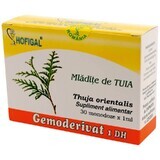
Tuia buds, Gemoderivat, 30 single doses, Hofigal
These single-dose packs of Thuja gemoderivative for nosebleeds are really good...

Tuia Tincture, 30 ml, Plant Extrakt
This thuja tincture is very effective for nosebleeds...

Tuia buds, Gemoderivat, 30 single doses, Hofigal
These single-dose packs of Thuja gemoderivative for nosebleeds are really good...

Tuia Tincture, 30 ml, Plant Extrakt
This thuja tincture is very effective for nosebleeds...