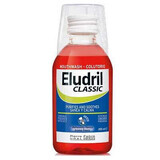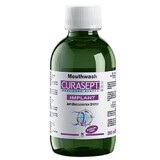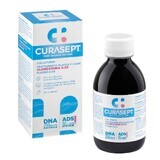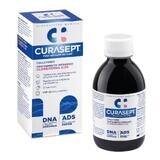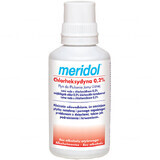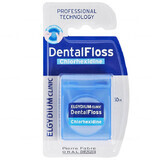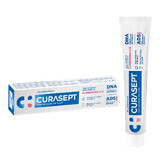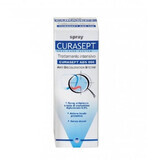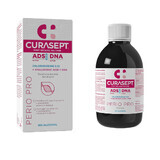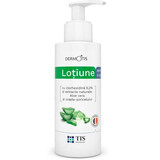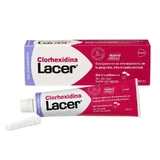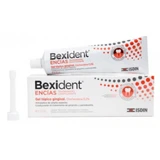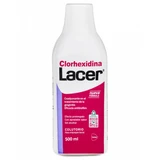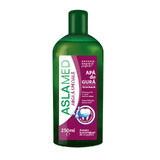
Mouthwash with chamomile extract, chlorhexidine and clay AslaMed, 250 ml, Farmec
Farmec
 Promo code APP3 – £3 discount on your first order in app
 Free delivery for orders over £49

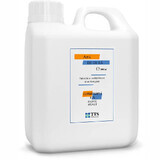
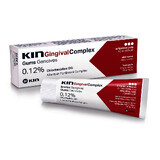
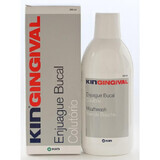
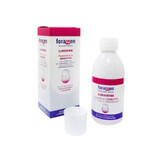

Perio Aid Chlorhexidine Gel 0.12% ,75 ml






The information in the FAQ section was created by the Liki24.co.uk team and is based on the official manufacturer's manual
Chlorhexidine is a broad-spectrum antiseptic agent, widely used in medical and dental practice to control microbial load on the skin and mucous membranes. In the form of chlorhexidine digluconate, this substance is distinguished by its bactericidal and bacteriostatic activity, effective against Gram-positive and Gram-negative bacteria and certain fungi, whilst also having a significant residual effect, thanks to its ability to bind to oral surfaces and soft tissues.
In dentistry, chlorhexidine mouthwash is the gold standard for controlling bacterial plaque and is often used as an adjunct in the treatment of gingivitis, periodontitis and in post-operative care.
Chlorhexidine is available in various pharmaceutical forms, suitable for different clinical needs:
Chlorhexidine is particularly indicated for:
The clinical interest in chlorhexidine stems not only from its antimicrobial efficacy but also from its safety profile, when used correctly and for limited periods. Commercial products in the form of chlorhexidine mouthwash are formulated to maximise antiseptic efficacy and minimise adverse reactions, often being enriched with soothing, astringent or remineralising agents.
The administration regimen varies depending on the concentration and the product.
For example, chlorhexidine mouthwash: rinse for 1 minute with 10–15 ml of undiluted solution, twice daily, after meals, for 7–14 days. After use, the solution should be spat out without rinsing with water and without swallowing it.
The use of chlorhexidine is contraindicated in cases of:
It is recommended to brush your teeth before rinsing, leaving an interval of at least 30 minutes, as some toothpastes may reduce the effectiveness of chlorhexidine.
The presence of ingredients such as zinc citrate, xylitol, clay or plant extracts contributes to tolerability and a soothing effect on the gums.
Adverse reactions are generally localised and reversible:
These effects tend to diminish or disappear after stopping use.
Chlorhexidine may interact with anionic agents present in toothpastes or other oral hygiene products, reducing their effectiveness. No significant interactions with food have been reported, but it is recommended to avoid consuming liquids or food immediately after rinsing.
Systemic overdose is unlikely due to topical use. Accidental ingestion of large quantities may cause gastrointestinal irritation, nausea or vomiting, requiring medical assessment.
Products containing chlorhexidine should be stored at room temperature, protected from light and moisture, in the original, tightly closed packaging. Keep out of reach of children.
| Category | Vitamins & Supplements, Dermatology, Creams and Ointments, Skincare and beauty, Body care, Oral care, Toothpaste, Dental floss, Mouthwash, Oral health, Antiseptics , Baby & Child , Child Health, Hygiene and care, Oral hygiene, Gum gels, Promotions, 1+1 offers, Animal products, Animal care, Nutritional supplements for animals, Useful kits, Animal shampoos and conditioners, Cleaning solutions for animals, Products from Across Europe, Products from Poland, Products from Greece, Products from Romania, Products from Spain, Products from France |
| Brand | 4Dog, Alavis Maxima, Bexident, Ceva, Colgate, Cooper, Curasept, Dr. Seidel, Elgydium, Eludril, Encora, Farmec, Foramen Pharma, Herbadent, Inava, Intermed, Laboratorios Kin, Lacer, Lainco, Marque, Meridol, Perio Aid, Record, Tis Farmaceutic, Urgo |
| Product type | Gel, Lotion, Napkins, Paste, Shampoo, Solution, Spray, With chlorhexidine |

Good product,good quality of product

Mouthwash recommended by my dentist because of the percentage of Chlorhexidine, which helps eliminate the batteries that cause dental plaque. It also helps regenerate the gums, in fact I noticed after a few uses that the bleeding that used to be frequent is now gone. On-time delivery and good price

Pleasant taste, useful for inflamed gums (periodontitis), I have been using it for more than 1 year, I am very satisfied!

Excellent product, recommended by my dentist.

Doctor recommended for periodontitis.

Excellent product, recommended by my dentist.

Good product,good quality of product

Pleasant taste, useful for inflamed gums (periodontitis), I have been using it for more than 1 year, I am very satisfied!

Doctor recommended for periodontitis.

Mouthwash recommended by my dentist because of the percentage of Chlorhexidine, which helps eliminate the batteries that cause dental plaque. It also helps regenerate the gums, in fact I noticed after a few uses that the bleeding that used to be frequent is now gone. On-time delivery and good price